

Part of the Dogviser Social Impact Ecosystem™
Best Friend Project™
Companionship. Routine. Responsibility. Real Connection.
Best Friend Project™ helps young people aged 10 to 17 explore companionship, responsibility, healthy routines, and connection through a carefully matched relationship with a dog.

The need
When a Dog Becomes Part of a Young Person’s Life
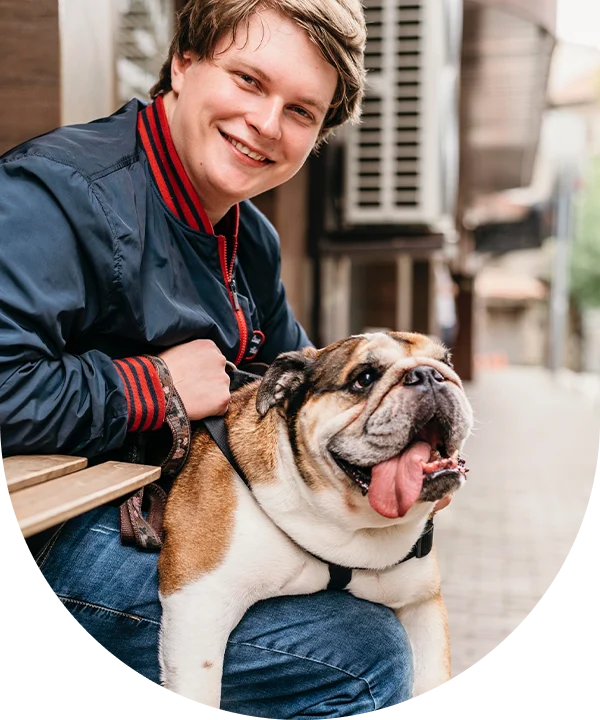
Young people may be carrying changes at home, at school, or in the way they connect with other people. A dog can become one part of a supportive routine, but the relationship must be matched, supervised, and built around the young person’s real life.
The program does not promise a cure or a guaranteed outcome. It creates a structured opportunity to practice care, communication, responsibility, and connection while adults remain accountable for safety and the dog’s welfare.
 The Certified Dogviser™ at the center:
Every program is designed, delivered, and supervised by a trained professional who guides, educates, organizes, connects, and supports.
The Certified Dogviser™ at the center:
Every program is designed, delivered, and supervised by a trained professional who guides, educates, organizes, connects, and supports.- Dog welfare governs:
Animal welfare and participant safety must always come before placement goals.
- Open to everyone:
Volunteers, mentors, sponsors, and donors can participate. Participation does not require buying anything.
The Dogviser™ role
The warm front door between a dog family and everything their dog needs.
A Certified Dogviser™ listens to the young person and family, maps the dog’s needs, coordinates professional input, designs the participation plan, and stays available for follow-up. The Dogviser™ does not diagnose, prescribe, treat medical conditions, provide psychotherapy, give legal advice, or guarantee a dog’s behavior.
The Dogviser™ is the warm front door between a dog family and everything their dog needs. They organize the journey and connect people with the correct specialists..
What the program provides
Practical support, with the edges kept clear
Thoughtful Matching
Routine In Practice
Family Education
How it works
From first conversation to thoughtful follow-up
The process is designed to make the right next step visible. Sometimes that next step is to pause, refer, or say no

Start With A Conversation
The family shares what is working, what is difficult, and what they hope to learn.
Assess Compatibility
The Dogviser™ considers safety, capacity, dog welfare, and professional requirements.
Build The Plan
The family receives clear roles, realistic routines, and a support map.
Begin Gradually
The relationship develops through measured, supervised steps rather than a single handover.
Review Together
The Dogviser™ checks how the person, family, and dog are adapting.
What research suggests
Stay curious. Stay honest
Research on human–animal interaction suggests that relationships with animals can be associated with companionship, routine, movement, and social connection. These possible benefits depend on context, individual circumstances, the quality of the relationship, and the support around it.
Research is developing. A dog is not a treatment, a service substitute, or a guaranteed solution for a young person or family.
Responsible participation & dog welfare
 Young people aged 10 to 17
- Families looking for responsible structure around a dog relationship
- Autistic young people and their families
- Adults who want education and support before bringing a dog into a young person’s life
Responsible participation & dog welfare
Care is a condition, not a claim
- Animal welfare and participant safety must always come before placement goals.
- A responsible adult remains accountable for the dog’s daily care and decisions.
- Where a placement would meet a program goal but fall below the dog-welfare standard, the placement does not happen.
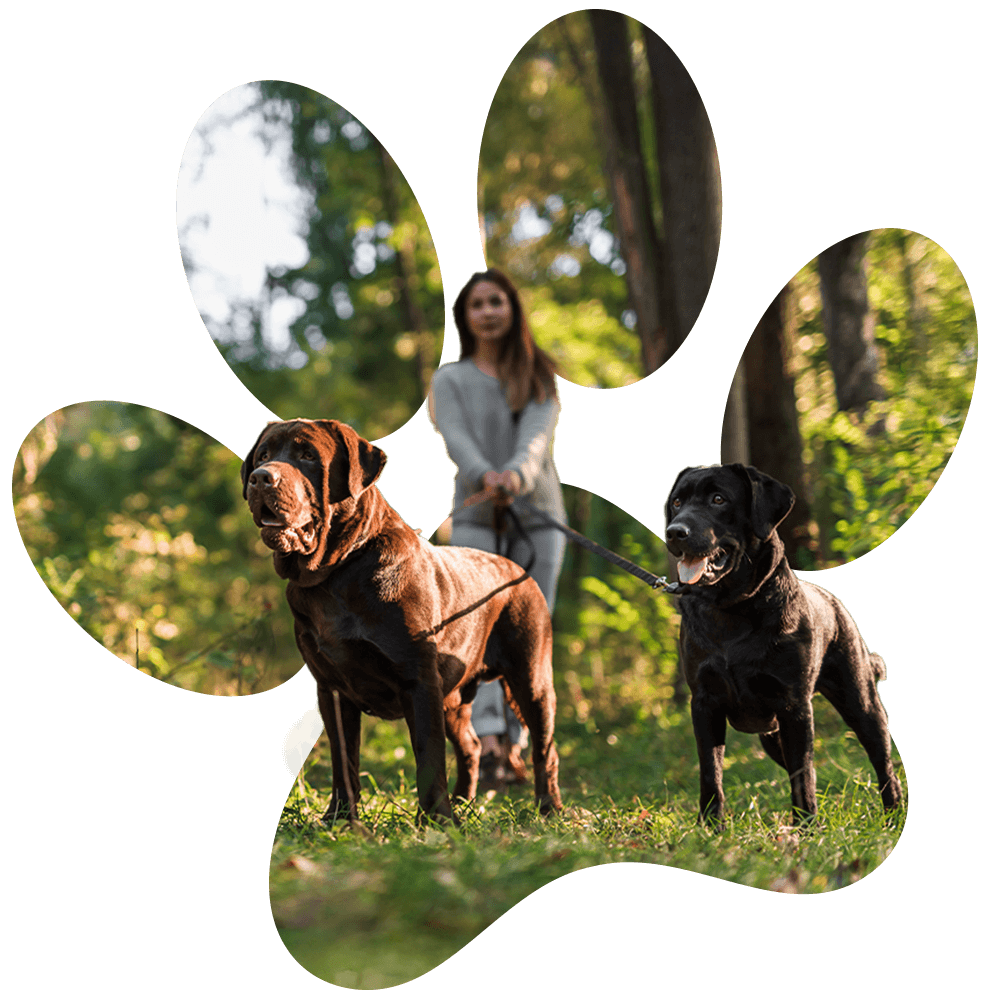
How this program is sustained
Built together, with clear roles
Best Friend Project™ is sustained through a blend of program participation, community partners, DogDonors™, and the Dogviser Foundation™ as it is established as a separate nonprofit with its own board of directors. Participation in the movement does not require buying anything. Dogvisers™ care, Dogvocates™ advocate, and DogDonors™ fund.
Dogvisers™ care Dogvocates™ advocate DogDonors™ fund
Our commitment
We will never ask a dog to carry a responsibility that belongs to adults. The relationship is built for the benefit of both sides of the leash
The boundary & important disclaimer
The Dogviser™ organizes the journey
The Dogviser™ does not replace veterinarians, trainers, therapists, attorneys, or other licensed professionals. The Dogviser™ organizes the journey and connects people with the correct specialists
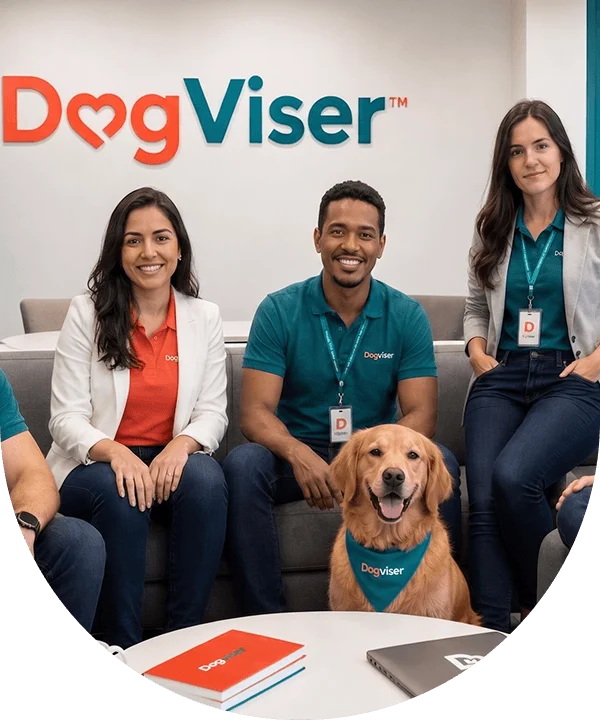
What We Provide:
Education, organization, community connection, practical planning, and responsible follow-up.
What We Do Not Provide:
Diagnosis, prescriptions, psychotherapy, legal advice, or guarantees about a dog’s behavior or health.
Take the next step
Bring your part to the table
Every program grows through people who care, professionals who guide, and supporters who help make responsible participation possible.